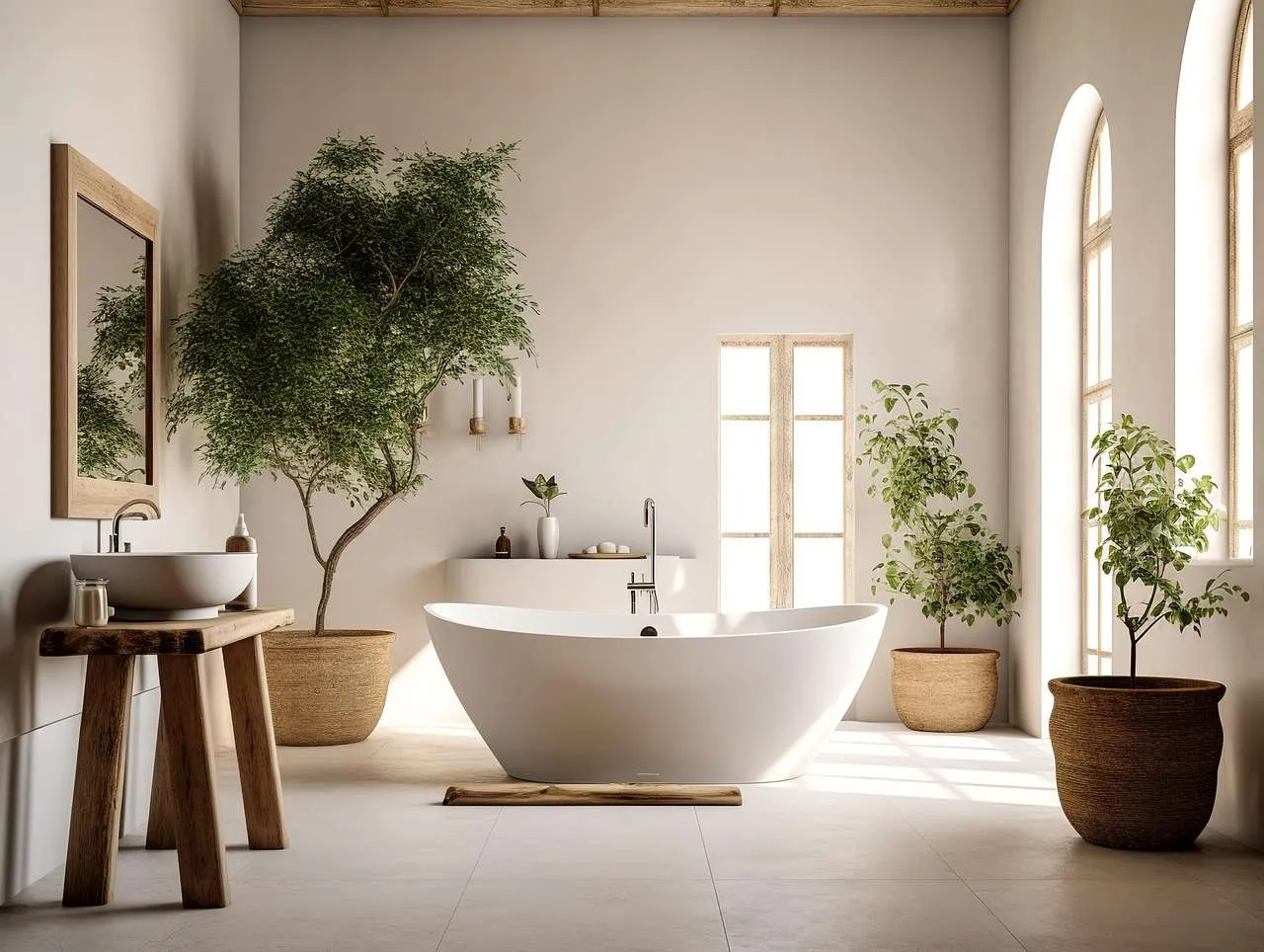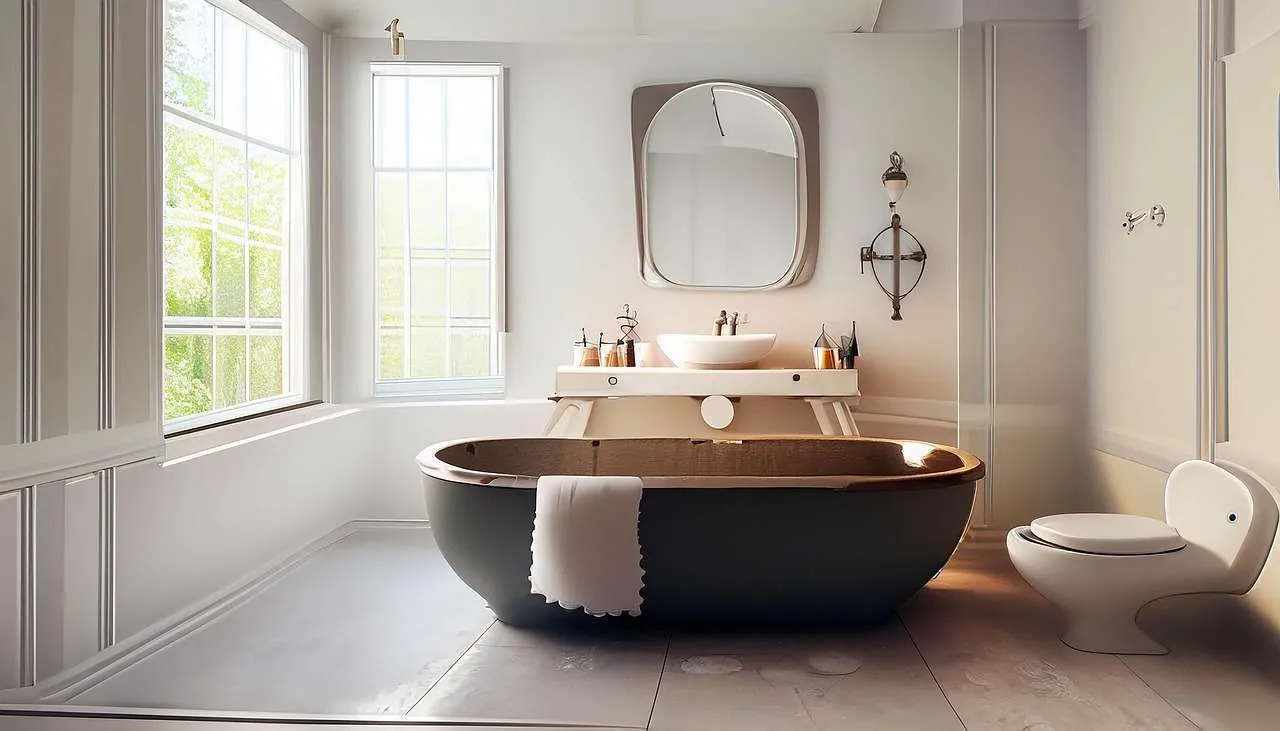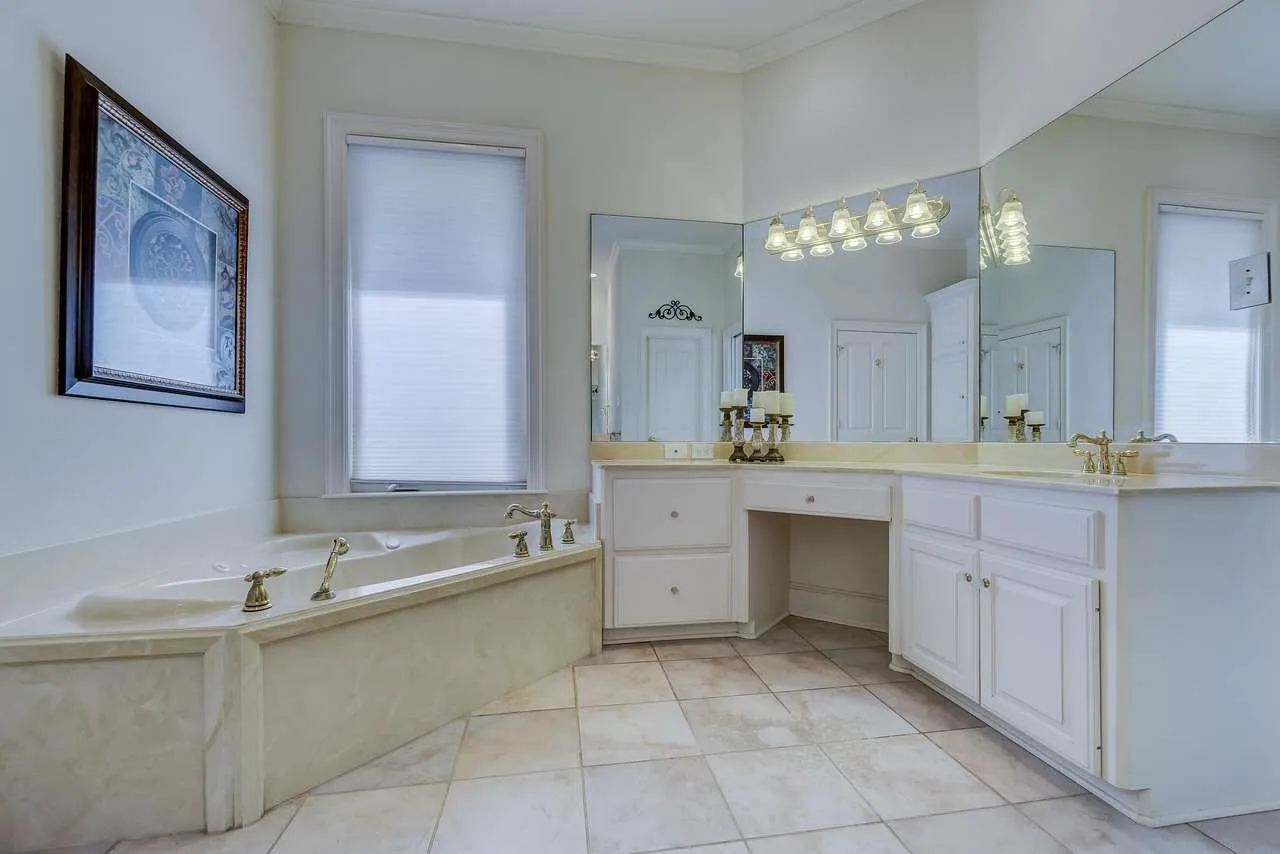
Choosing bathroom tile is both an aesthetic decision and a functional one. The tile you select sets the mood of the room and must withstand humidity, temperature changes, and daily traffic. This guide covers the most common bathroom tiles, their pros and cons, installation basics, and maintenance tips to help homeowners and professionals make informed choices. By explaining materials, practical installation steps, and long-term care, the content aims to meet EEAT standards through clear guidance and actionable recommendations.
Popular bathroom tile types
Tile types vary widely in performance, appearance, and price. Understanding the core options helps you balance style with durability in a damp environment.
Porcelain tile
Porcelain is a dense, water-resistant ceramic that resists moisture well and is suitable for floors and walls. It accepts glazing or a matte finish and is available in large formats, which can create a seamless look. Porcelain is typically more durable than standard ceramic and offers better stain resistance and low moisture absorption, making it a popular choice for bathrooms with high traffic or wet areas.
Ceramic tile
Ceramic tile is versatile, affordable, and easy to install. It comes in a wide range of colors and patterns, making it ideal for backsplashes, shower niches, and wall applications. While ceramic can perform well in bathrooms, its water resistance and wear rating are generally lower than porcelain, so it’s often best used on walls or low-traffic floors when sealed properly.
Natural stone tiles
Natural stone such as marble, travertine, or slate brings a premium, timeless look. Stone tiles are porous and can stain or scratch if not properly sealed and maintained. They require periodic sealing and regular care to protect against moisture. Stone is excellent for walls or dry areas and may be used on floors in low-traffic bathrooms or as accent features in combination with ceramic or porcelain.
Glass and accent tiles
Glass tiles reflect light and brighten small bathrooms or backsplashes. They’re stunning as an accent or shower niche surround but can be slippery on floors and may require special cleaning to avoid soap scum. Glass tiles are usually installed with transparent or matching grout that enhances their translucence and color depth.
Substrates, waterproofing and installation basics
Preparation determines long-term performance. Start with a stable substrate, then install with the right waterproofing and adhesives.
For floors and shower surroundings, use a cement backer board or an appropriate waterproof substrate. Apply a waterproofing membrane (sheet or liquid) to prevent water from reaching the substrate. Use a premium thinset mortar suited to the tile type and substrate, and select grout that matches your tile and room conditions. For showers, ensure proper slope and drain height, and consider epoxy grout in wet areas for superior stain resistance. Professional installation often yields the best balance of appearance and durability, especially with large-format tiles and intricate patterns.
Design, layout and size considerations
Tile size, pattern, and color impact perception of space. Large-format tiles can create a clean, modern look with fewer grout lines, while smaller tiles can add texture and intricate detail. Subways, herringbone, and basket-weave patterns offer distinctive vibes—use these cautiously in small bathrooms to avoid visual clutter. Coordinate wall and floor tiles to maintain continuity, and consider lighter grouts to emphasize color and texture or darker grout to highlight patterns. Non-slip finishes and matte textures improve safety in wet areas.
Maintenance, sealing and cleaning
Maintenance varies by material. Porcelain and ceramic tiles generally require standard cleaning and yearly inspection of grout lines. If you choose natural stone, seal it after installation and re-seal per manufacturer guidance to protect against moisture and staining. Grout can be cementitious or epoxy; epoxy grout is highly stain-resistant and easier to clean but may be pricier and harder to work with during installation. Regular cleaning with pH-neutral cleaners and avoiding harsh chemicals helps preserve tile color and grout integrity. Ventilation reduces humidity, which prolongs tile life and reduces mold risk.
Durability, safety and cost considerations
Durability factors include water absorption rate, wear rating (PEI) for floors, and slip resistance (COF). Porcelain typically offers excellent durability for floors; glazed options vary in texture. On walls, ceramic and glass tiles provide versatile aesthetics with lower weight and cost. Cost ranges vary by material, size, and labor. Ceramic tiles often cost less per square foot than porcelain, while natural stone can be premium and may require sealing. Glass tiles tend to be more expensive and are popular for accents or backsplashes. Budget for installation labor, substrate preparation, waterproofing, and grout to avoid surprises.
Table: Tile types at a glance
| Tile Type | Pros | Cons | Best For | Maintenance |
|---|---|---|---|---|
| Ceramic | Affordable, wide variety | Lower water resistance than porcelain | Walls, backsplashes, light-traffic floors | Easy to-clean; regular sealing not required |
| Porcelain | Dense, highly water-resistant, durable | Can be pricier; harder to cut | Floors and showers in high-moisture zones | Standard cleaning; sealant not always required |
| Natural Stone | Premium look, unique patterns | Porous; requires sealing and maintenance | Accent walls, dry areas, luxury bathrooms | Regular sealing; avoid acidic cleaners |
| Glass | Reflects light, vibrant color | Slippery on floors; sensitive to grout staining | Backsplashes, walls, accents | Wipe-clean; avoid harsh chemicals |
Conclusion
Conclusion, choosing bathroom tile requires balancing style with function. Porcelain and ceramic provide durable, versatile options for walls and floors, while natural stone offers luxury with higher maintenance. Glass tiles add brightness as accents or backsplashes. Ensure proper substrate preparation and waterproofing, select the right grout, and maintain the tiles with gentle cleaners to extend their life. By prioritizing slip resistance, moisture management, and a consistent color story, you can achieve a bathroom that looks beautiful and performs reliably for years to come.