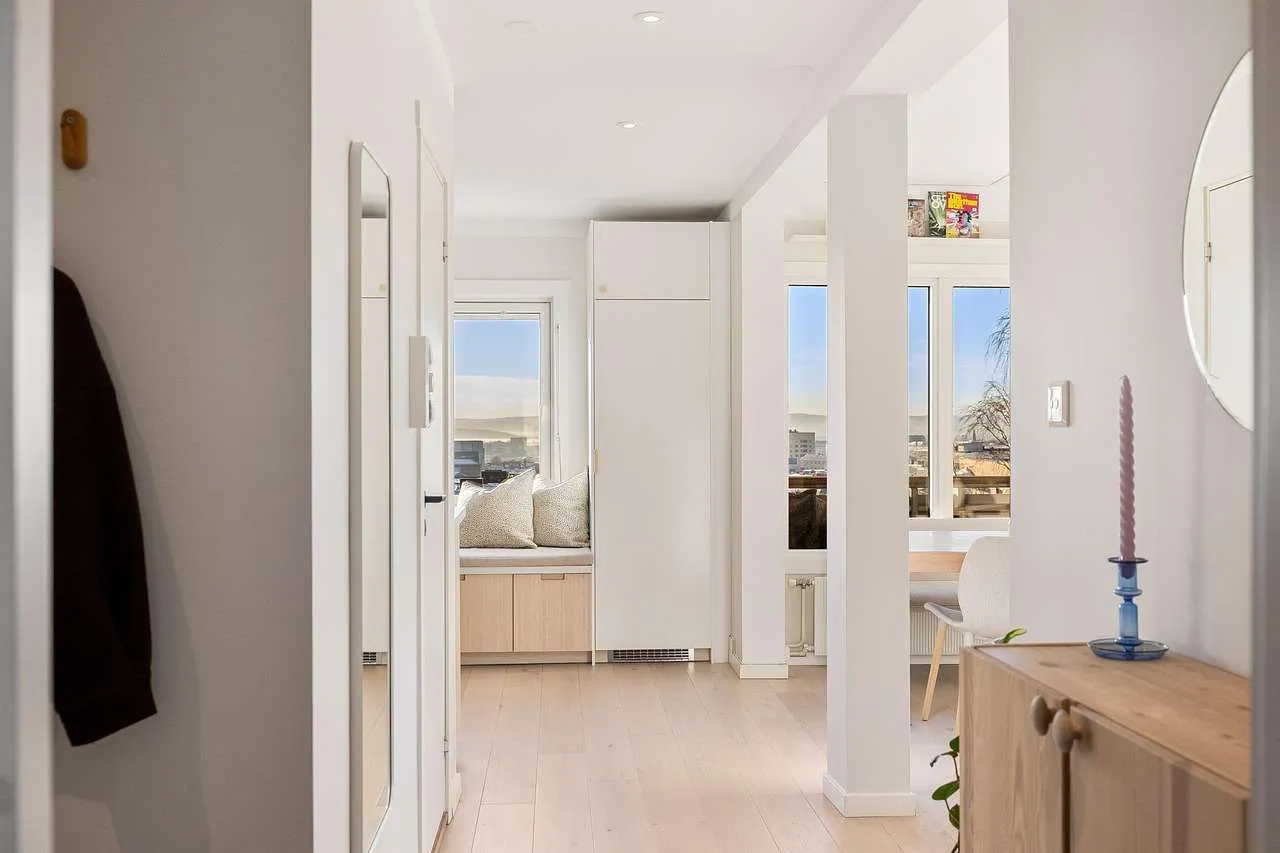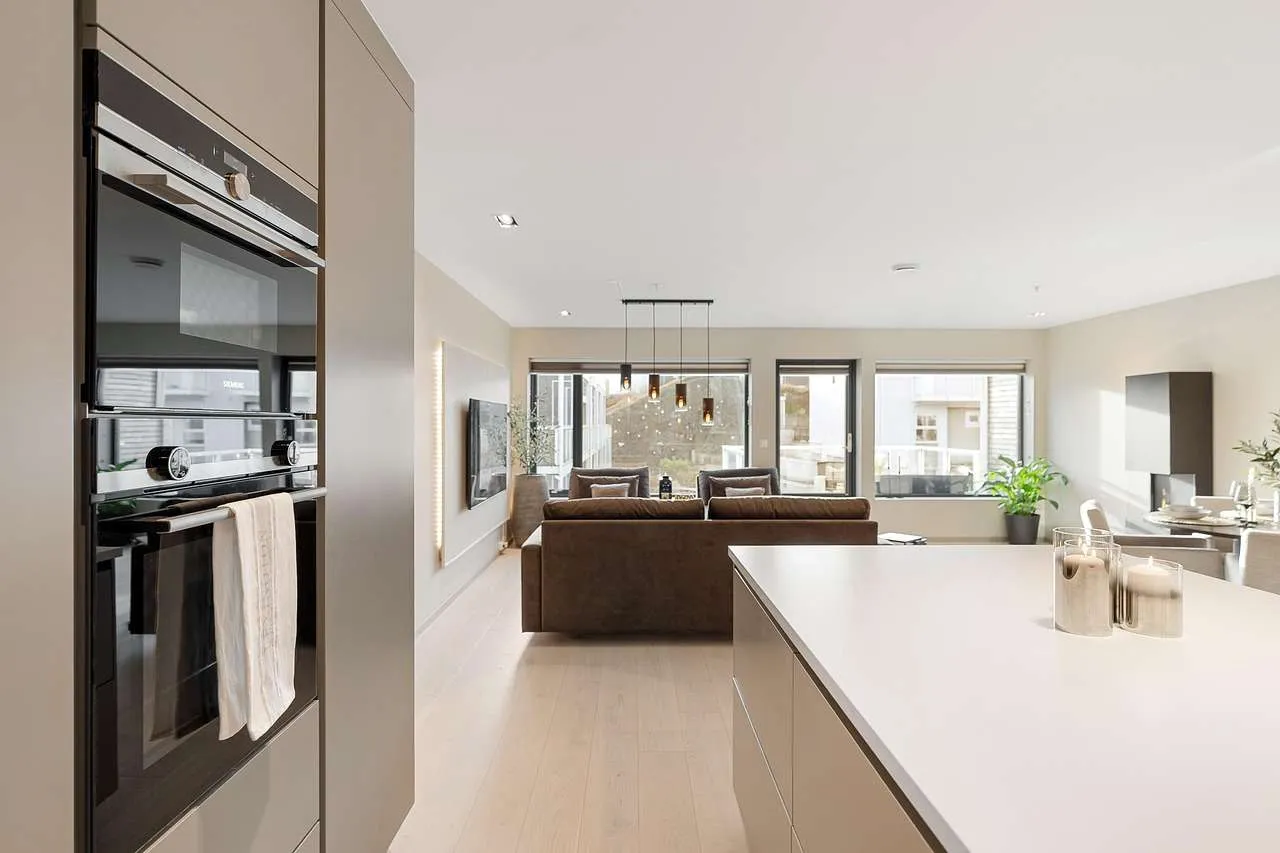
Home window tint is a practical upgrade for modern homes. By adding a tinted film to interior or exterior glass, you can reduce heat, block UV rays, and improve privacy without sacrificing natural light. This guide explains why home window tint matters, how to choose the right tint, and what to expect from installation and maintenance.
Why choose home window tint
In hot climates, tinted windows can significantly cut solar heat gain, which lowers cooling costs and reduces the load on air conditioners. UV rejection protects furnishings and floors from fading, while glare reduction makes living areas more comfortable during bright days. Privacy is another benefit, especially on ground-floor rooms or street-facing windows. For safety, some films hold shattered glass together in case of breakage.
Types of home window tint
Dyed window tint
Dyed films use a layer of dye to absorb light. They are usually the least expensive option and can provide a noticeable shade. Pros: low cost, decent privacy, and simple installation. Cons: color can fade over years, heat rejection is moderate, and the film may require replacement sooner than higher-end options. Commonly chosen for budget upgrades in rental homes.
Metalized window tint
Metalized films add metallic particles to reflect sunlight, delivering strong heat rejection and durable performance. Pros: excellent heat reduction and good durability. Cons: may interfere with GPS, cellular signals, and Wi-Fi in some setups, and can be more reflective at night. This makes them less ideal for homes near busy streets or with many electronic devices.
Ceramic window tint
Ceramic films use non-conductive ceramic particles to reject heat and block UV without reducing visibility or interfering with electronics. Pros: top-tier heat rejection, excellent optical clarity, non-conductive, and long-term color stability. Cons: higher cost, and in some markets the selection may be narrower.
Carbon/Charcoal window tint
Carbon or charcoal films balance performance and cost. Pros: good heat rejection, low reflectivity, natural looking tint, and stable color over time. Cons: slightly less effective than ceramic in extreme sun, but often a better value option for many homeowners seeking both privacy and unobstructed views.
How to choose the right tint for your home
Start by checking legal restrictions in your area regarding visible light transmittance VLT and reflectivity, especially on street-facing windows. Next, assess climate: hot sunny regions benefit from higher heat rejection ratings and darker shades, while regions with strong night visibility may prefer lighter VLT for safety and aesthetics. Look for UV rejection near 99% and a high infrared rejection if possible. Consider the glass type and existing frames. Warranty, installation quality, and the reputation of the installer are crucial for long-term performance.
DIY vs professional installation
For most homeowners, professional installation ensures a clean, bubble-free finish and a warranty on the work. Professionals also help navigate local regulations and ensure the tint is properly applied to curved or hard-to-reach panes. DIY kits are available for simple, flat windows, but improper handling can cause damage, air pockets, or peeling. Weigh the upfront cost against long-term energy savings and the value of a guaranteed warranty.
Maintenance and care
Wash tinted windows with a mild, non-ammonia cleaner and a soft cloth to avoid scratching the film. Never use abrasive pads or harsh chemicals that can degrade the coating. Inspect edges for peeling every 6 to 12 months and touch up or replace as needed. Remember that cleaning schedules may vary by film type and climate.
Tint type comparison
| Type | Heat Rejection | UV Rejection | Pros | Cons | Typical Cost |
|---|---|---|---|---|---|
| Dyed | Moderate | High | Low cost, decent privacy | Color may fade, limited IR blocking | $5-$8 per sq ft |
| Metalized | High | High | Excellent heat rejection, durable | May interfere with signals, more reflective | $6-$10 per sq ft |
| Ceramic | Very high | Very high | Best overall performance, non-conductive | Higher cost | $8-$15 per sq ft |
| Carbon/Charcoal | High | High | Good balance, low reflectivity | Less effective than ceramic in extreme sun | $7-$12 per sq ft |
Summary: The right home window tint combines climate-appropriate heat rejection, strong UV protection, and a shade that suits your privacy and lighting preferences. When you choose a tint, consider regulatory limits, warranty coverage, and the installer’s reputation to maximize comfort, value, and ROI.